
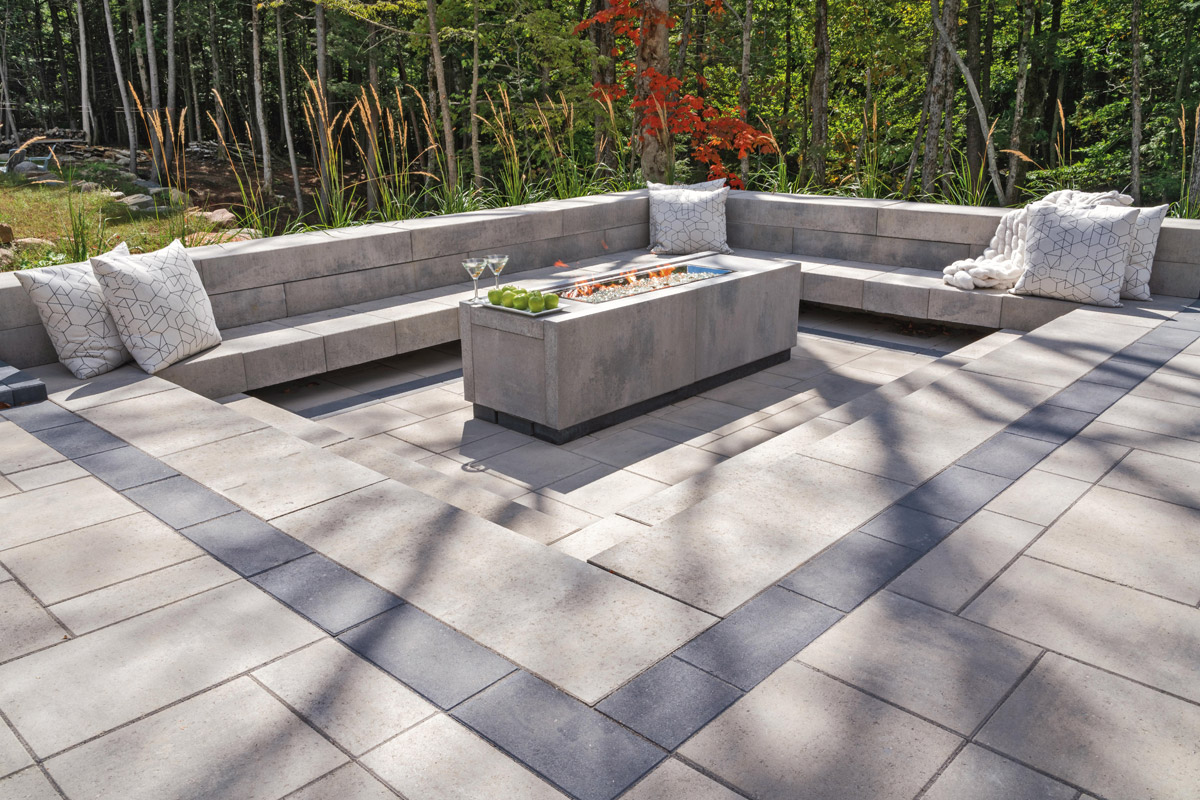

The majority of unsuccessful outdoor living spaces fail for the same reason – it’s not about aesthetics and fashion dates. Tastes and styles change all the time. It’s the structural choices you make before the build even begins that decide if your deck or pergola will be salvageable in 30 years, or if it needs to be redesigned in five.
Start Below Ground
The foundation work often seems like an easy place to save money or cut corners on an outdoor project. After all, it’s not something that’s visible once the project is finished. However, mistakes or oversights at the base of the build can develop into the most expensive issues you’ll ever have.
Concrete footings with hot-dip galvanized post stirrups are the baseline for any structure that’s expected to last. The stirrups hold the post clear of the ground, which breaks the direct contact between timber and soil moisture. When structural timber sits in ground contact without the right treatment rating, decay sets in fast – often invisibly – until the post shears at the base.
Any timber that does end up below grade or embedded in concrete needs to be rated H5 or higher. Above-ground structural framing – your bearers, joists, and posts – requires a minimum H3 treated timber. These aren’t preferences. They’re the categories that determine how much preservative has been driven into the wood and how long it will resist fungal decay and insect attack under real-world conditions.
Hazard Class Isn’t Just A Label
Knowing the timber hazard class system is one thing. Knowing you can trust your supplier to both advise on the right hazard class and stock quality product treated to the appropriate level for local conditions is another entirely.
Treated radiata pine is one of the most widely used framing timbers for outdoor structures, and with good reason. Properly treated H3 radiata pine installed and maintained correctly can achieve a service life of 40+ years in above-ground outdoor applications. That figure assumes correct installation – not just compliant timber sitting on compromised footings or fastened with the wrong hardware.
For builders working in coastal or arid climates, sourcing matters as much as specification. A specialist Treated Pine Timber Supply Perth company will stock timber treated to the hazard classifications required for local conditions, which isn’t always the same as what’s sitting on the shelf at a general hardware outlet.
Fasteners Fail Before Timber Does
This level of knowledge is what separates pros from everyone else. Run-of-the-mill steel screws rust fast outside. They rust even faster in contact with treated lumber, as the preservatives, especially ACQ in more recent formulations, are corrosive to bare metals.
HDG (hot-dip galvanized) fasteners or marine-grade stainless steel are the appropriate choice for any outdoor wood construction. Both will outlive standard hardware by decades in the open. Price difference per box of screws? Negligible. Cost of joint failure across an entire deck frame because the corroded screws gave out? Priceless.
The same goes for joist hangers and brackets. If the metal bits aren’t rated for outdoor or chemical exposure, they are the weak point in an otherwise sturdy structure.
Design For Thermal Movement, Not Against It
Wood expands and contracts. In places with a lot of sunlight, it does so even more. This can lead to all sorts of problems if you’re taken by surprise. Boards heat up and expand during the day, then cool and contract at night, only to start the whole process over again. Over time, fastened together boards can deform each other in all sorts of ways if they haven’t been given room to move.
So give them that room. A 4-6mm gap between boards when new is the general rule of thumb. This allows boards to expand and contract with changing temperatures without pushing against their neighbors. It also gives rainwater an unobstructed route between boards and makes sure you won’t end up with little pools where mosquitos and wood-rotting fungi will happily breed.
It’s not just between boards, either. Humidity is the silent killer of outdoor wooden structures – and dead air pockets are a humidity trap. So make sure air can circulate freely under the deck as well. This means planning for ventilation when designing the frame and possibly even installing vents depending on local conditions. A well-ventilated sub-structure will also add to the lifespan of your deck.
Maintenance Is A Design Decision
A space that is meant to last is not something that you just want to last in your memory; it should also be simple to maintain if necessary.
When you apply a quality penetrating oil or acrylic coating to exposed decking and framing, it will protect against UV degradation and slow moisture absorption. Ideally, the first coat should be applied before the timber is installed, specifically to end-grain cuts, which expose end-grain fibers that absorb moisture faster than face grain on screw or nail cuts. Following this, a maintenance coat every 12 to 24 months (with the option of a yearly wash in-between) will keep the timber from drying out and cracking.
The outdoor spaces that truly last over decades are the ones where the builder thought like an engineer first and a designer second. Get the materials right, get the treatment ratings right, fasten everything correctly, and the aesthetic choices you make on top of that have a solid structure to sit on.

Comments are closed.