
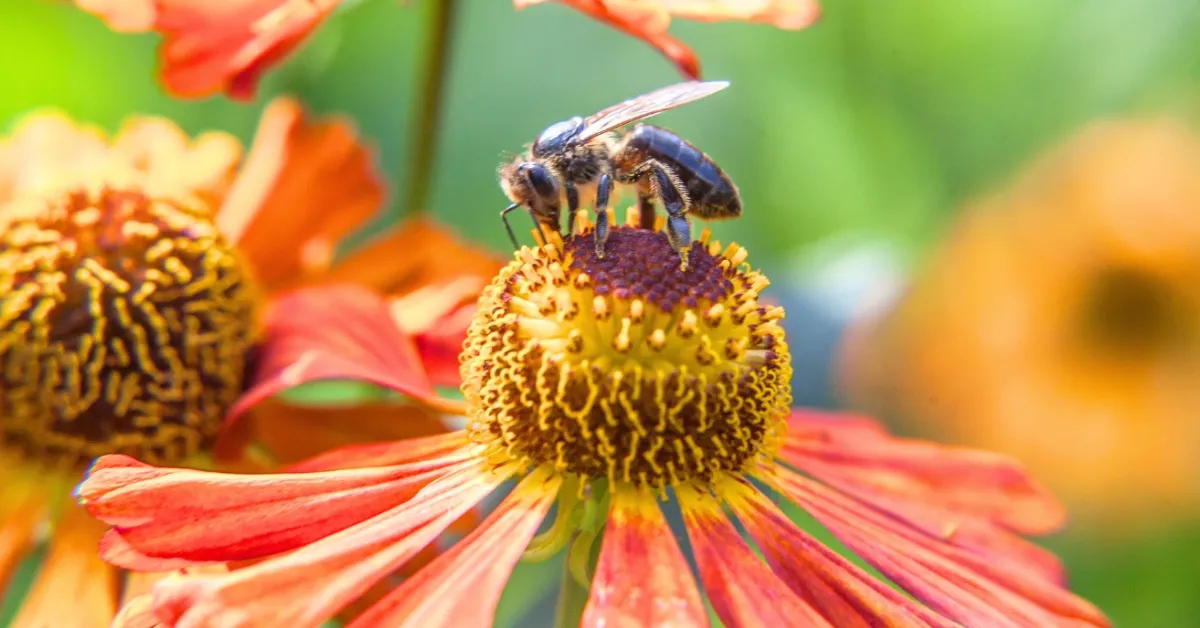

Bees play a vital role in our ecosystems and agricultural systems. They are responsible for pollinating roughly one out of every three bites of food we consume, including fruits, vegetables, nuts, and seed crops. However, habitat loss, pesticide exposure, climate shifts, and parasites have caused notable declines in wild and managed bee populations nationwide.
Transforming a portion of your yard, patio, or neighborhood green space into a dedicated bee garden is one of the most effective ways to support local biodiversity. By supplying nectar, pollen, nesting sites, and clean water, you can turn any outdoor space into a thriving haven for native bees and honeybees alike.
Understanding Your Local Bee Population
Before planting, it helps to understand who will be visiting your garden. While European honeybees often receive the most attention, North America is home to over four thousand species of native wild bees.
Native Bees vs. Honeybees
-
Solitary Lifestyle: Unlike honeybees, which live in large social hives with a queen, about seventy percent of native bees are solitary ground nesters. Another thirty percent nest in hollow plant stems, wood cavities, or stone crevices.
-
Efficient Pollinators: Native species such as mason bees, leafcutter bees, and bumblebees are exceptionally active foragers. For instance, a single blue orchard mason bee can pollinate as many apple blossoms in a day as several hundred honeybees because of how vigorously it deposits dry pollen across flowers.
-
Gentle Temperament: Solitary native bees rarely sting because they have no central hive or honey store to defend. Males lack stingers entirely, and females only sting if directly pinched or stepped on.
Designing your garden to cater to both native species and honeybees maximizes ecological value while keeping your outdoor space peaceful and safe.
Essential Plant Selection Criteria
Choosing the right flora is the foundation of a successful bee habitat. Bees require two primary resources from flowers: nectar, which supplies carbohydrates for energy, and pollen, which supplies protein and fats needed to rear young larvae.
Prioritize Regional Native Plants
Native plants and native bees evolved together over thousands of years. Consequently, native blossoms often produce higher quality nectar and easily accessible pollen structures compared to heavily modified ornamental hybrids.
-
Avoid Highly Double-Flowered Cultivars: Bred for extra layers of petals, double-flowered varieties often trade pollen production for aesthetic volume. The extra rows of tight petals make it physically difficult or impossible for foraging bees to reach the center of the blossom.
-
Incorporate Flower Color Preferences: Bees possess trichromatic vision sensitive to ultraviolet, blue, and green light frequencies. They are drawn to purple, blue, yellow, white, and ultraviolet markings called nectar guides, which humans cannot see without special equipment.
-
Select Diverse Floral Shapes: Long-tongued bees like bumblebees thrive on deep tubular blossoms such as penstemon and salvia. Short-tongued bees prefer open composite flowers like coneflowers, asters, and coreopsis.
Establish Continuous Seasonal Bloom Cycles
Bees emerge from winter dormancy as early as February or March and remain active through late autumn. To keep populations healthy, your garden should provide an unbroken supply of forage across all three growing seasons.
-
Spring Anchor Plants: Wild lilac, redbud trees, serviceberry, bluestar, and early bulbs like crocus provide critical early energy for emerging queen bumblebees and solitary spring bees.
-
Summer High-Yield Blooms: Purple coneflower, milkweed, black-eyed Susan, bee balm, and lavender sustain busy summer colonies and nesting solitary females.
-
Autumn Finale Supports: Asters, goldenrod, joe-pye weed, and sunflowers yield crucial late-season resources that help queen bees survive winter hibernation and allow honeybees to store winter honey.
Design Strategies for Maximum Foraging Efficiency
How you arrange plants in your garden layout significantly impacts how effectively bees can forage.
Plant in Large Single-Species Clustered Drifts
Bees practice a habit known as floral constancy. During a single foraging run, an individual bee prefers to visit flowers of the same species to streamline pollen collection.
Rather than scattering single plants across a bed, group four to six specimens of the same species together in a cluster that spans at least three feet across. These broad patches create a high-visibility target for bees flying overhead, allowing them to gather more food while expending less flight energy.
Vary Plant Heights and Layers
Constructing a multi-tiered garden structure creates diverse microclimates and shelter zones:
-
Overstory Layer: Flowering trees like crabapple, maple, and redbud yield thousands of blooms in a concentrated footprint.
-
Understory and Shrub Layer: Shrubs such as oakleaf hydrangea, viburnum, and buttonbush provide structural shade, wind protection, and mid-level foraging.
-
Perennial Ground Layer: Low-growing ground covers like wild thyme, clover, and creeping phlox carpet the ground, minimizing weed competition while offering low-altitude foraging opportunities.
Providing Crucial Nesting Habitats
A truly sustainable bee garden provides more than just food; it offers safe spaces for bees to complete their life cycles.
Preserve Bare Ground for Soil-Nesting Species
Because the majority of native bees nest underground, covering every square inch of your soil with dense wood mulch or landscape fabric deprives them of nesting opportunities.
-
Create Dedicated Ground Zones: Leave several small patches of undisturbed, well-draining soil in sunny, south-facing areas of the garden.
-
Avoid Heavy Soil Tilling: Tilling ruptures underground nesting chambers where young bee larvae develop over the winter months.
Maintain Cavity-Nesting Infrastructure
Tunnel-nesting species build homes inside hollow plant stalks or tunnels left behind by wood-boring beetles.
-
Leave Plant Stems Standing: Leave hollow-stemmed perennials like raspberry canes, coneflowers, and joe-pye weed standing through winter. In late spring, cut stems back to varying heights between eight and twenty-four inches to serve as new nesting cavities.
-
Incorporate Dead Wood and Logs: Place a weathered log or small brush pile in a quiet corner of the yard to provide natural shelter for bumblebee queens and solitary wood-dwellers.
-
Install Mason or Leafcutter Bee Houses: Mount wooden nesting blocks with smooth paper tubes on a sturdy south-facing wall under an overhang to protect them from rain.
Water Sources and Hydration Stations
Bees need clean water to cool their hives during hot weather, dilute stored honey, and maintain proper metabolic function. However, open birdbaths or deep water basins can lead to accidental drowning because bees cannot swim.
Designing a Bee Water Station
-
Shallow Trays with Perches: Fill a shallow saucer or ceramic birdbath with smooth stones, marbles, or floating corks. These items give bees dry landing pads so they can sip safely at the water’s edge.
-
Keep Water Fresh and Steady: Change the water frequently to prevent mosquito breeding, but keep the location consistent so foraging bees remember where to return.
-
Mud Stations: Keep a small patch of damp clay soil near your water station. Female mason bees gather damp mud to construct partition walls between egg chambers inside their nesting cavities.
Eliminating Harmful Chemicals and Pesticides
Synthetic insecticides, herbicides, and fungicides present severe hazards to bee populations. Systemic insecticides, particularly neonicotinoids, are absorbed into plant tissues and transported directly into pollen and nectar. When bees consume these compounds, they can suffer lethal toxicity or sub-lethal damage that impairs their navigation and memory.
Organic Maintenance Protocols
-
Avoid Pre-Treated Nursery Stock: When buying new plants, confirm with the grower that they have not been treated with systemic insecticides.
-
Embrace Integrated Pest Management: Manage garden pests naturally by encouraging predatory insects like ladybugs, lacewings, and hoverflies. Hand-pick larger pests or use gentle targeted spot sprays of insecticidal soap only when necessary, applying late in the evening when bees are inactive.
-
Tolerate Minor Foliage Damage: Leafcutter bees slice clean, semi-circular holes from rose and redbud leaves to line their nest cells. This damage is purely cosmetic and does not harm healthy plants.
Frequently Asked Questions
Will creating a bee garden increase the risk of my family getting stung?
No, encouraging a bee-friendly space rarely leads to stings. The vast majority of native bees visiting garden flowers are solitary species that lack social nest-defense instincts. They are focused exclusively on gathering nectar and pollen, paying little attention to humans unless stepped on or physically crushed.
Can I build a bee garden if I only have a small balcony or patio?
Yes, bees adapt well to container gardens. You can plant large pots, window boxes, or raised beds with high-yield nectar plants like lavender, salvia, catmint, and dwarf coneflowers. Adding a small water dish with floating corks completes a functional micro-habitat on an elevated deck or balcony.
Are dandelions actually good for bees, or should I remove them?
Dandelions serve as an important early-season food source for emerging pollinators when few other plants are in bloom. While their pollen lacks certain essential amino acids required for complete bee nutrition, letting dandelions bloom in early spring provides a valuable energy boost until main perennial crops begin flowering.
How do I clean and maintain a native bee house to prevent disease?
Cleanliness is vital for artificial bee houses. Replace paper nesting tubes annually after bees emerge in late spring to prevent the buildup of parasitic wasps, mites, and chalkbrood fungal spores. If using reusable wooden blocks, sanitize the drilled holes every autumn using a mild bleach solution before drying completely for the next season.
How long does it take for bees to find a new pollinator garden?
Bees usually discover new foraging sources within days to weeks. Scout bees constantly search neighborhoods for fresh nectar sources using visual and olfactory cues. Planting large, colorful clusters of native flowers speeds up their discovery time considerably.
What should I do with my bee garden during the winter months?
Avoid cutting down dead plant stems or raking up every leaf in late autumn. Many native bees hibernate inside hollow plant stalks or beneath the fallen leaf litter layer. Delaying garden cleanup until spring, after temperatures consistently stay above fifty degrees Fahrenheit, protects overwintering pollinators.
Are European honeybees harmful to native bee species in home gardens?
Honeybees can compete with native bees for limited floral resources if floral abundance is low. However, in a garden planted with a rich diversity of native trees, shrubs, and flowers, both honeybees and native species can coexist peacefully by partitioning different flower types based on bloom depth and timing.

Comments are closed.