
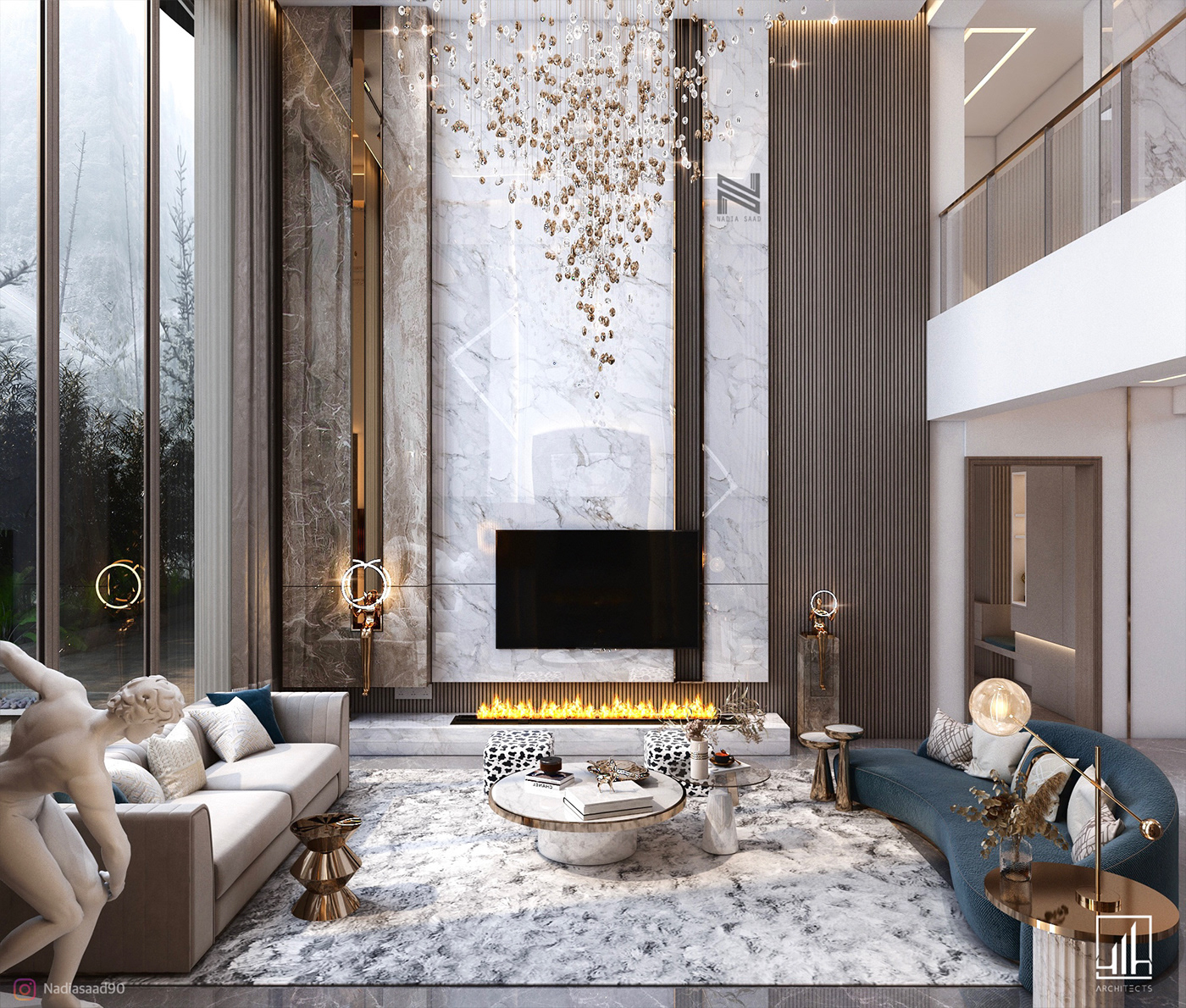

Achieving a harmonious living space often feels like a constant struggle between maintaining order and preserving aesthetics. Many people assume that effective organization requires plastic bins, hidden closets, or sterile shelving units that detract from the visual warmth of a home. However, the most successful interior designs prioritize functional beauty. By integrating organizational elements directly into your decor, you create a home that feels curated rather than cluttered, and intentional rather than chaotic.
The secret lies in selecting items that perform a dual purpose. When an object serves as both a storage vessel and a focal point, you eliminate the need for extra furniture or hidden storage, effectively reclaiming floor space while enhancing the room’s personality.
The Art of Vertical Storage as Feature Walls
Vertical space is the most underutilized asset in residential design. Instead of relying on floor-based bookcases or bulky storage cabinets, consider installing wall-mounted systems that serve as artistic statements.
Open shelving, when styled correctly, transforms mundane storage into a display gallery. Floating shelves crafted from reclaimed wood or sleek, minimalist metal can house books, decorative objects, and essential items in a way that feels curated. The key to maintaining this look is the balance between empty space and populated areas. Avoid overcrowding the shelves, as this creates visual noise. Instead, group similar items together and use varying heights to keep the eye moving.
Pegboards are another excellent solution for wall organization that can be elevated to high design. While often associated with workshops or utility rooms, a painted, wooden, or even metal pegboard in a kitchen or home office serves as a versatile organizational tool. By utilizing high-quality brass or wooden pegs, you can hang copper pans, artisan utensils, or even small potted plants. This turns your cooking tools into a kitchen mural, freeing up valuable drawer space while adding a touch of rustic industrial charm to your walls.
Repurposing Furniture for Hidden Efficiency
The most effective organization hacks often involve furniture that hides clutter in plain sight. Think of these pieces as the secret keepers of your home.
Ottomans with internal storage are a classic solution, but they can be upgraded to become a statement piece. Look for high-quality upholstery, such as velvet or leather, that complements your existing color scheme. These pieces can store blankets, board games, or seasonal items, all while providing extra seating or acting as a coffee table.
Similarly, consider the potential of console tables with built-in baskets or drawers. By replacing a standard entryway table with one that includes woven wicker baskets, you immediately provide a home for shoes, umbrellas, and keys. The texture of the woven baskets adds warmth to the entryway, preventing the space from feeling like a cold storage corridor. Choosing matching baskets creates a sense of symmetry and intentionality that elevates the entire aesthetic of the front door area.
Curated Baskets and Textiles for Soft Storage
One of the easiest ways to soften a room while organizing it is through the strategic use of textiles and baskets. Hard surfaces like plastic bins often make a room feel clinical. By contrast, woven materials, cotton ropes, and fabric bins add texture and depth.
Large, floor-standing baskets are perfect for living areas. They can house chunky knit throw blankets or pillows that aren’t currently in use. When styled with a folded blanket draped slightly over the edge, the basket becomes an invitation to relax. This keeps your living space tidy without requiring you to hide everything away in a cupboard.
In the bedroom or bathroom, consider using decorative trays. A marble or wooden tray on a vanity or bedside table is not just a surface; it is a boundary. By placing daily essentials like perfume, jewelry, or skincare products on a beautiful tray, you move them from “clutter” to “collection.” This simple act of containment makes a messy collection of bottles look purposeful and clean.
Multi-Functional Kitchen Storage Solutions
The kitchen is often the most difficult room to keep organized, yet it is also where organization can be most decorative. Instead of hiding all your dry goods, embrace the beauty of glass canisters.
Transferring staples like pasta, grains, beans, and baking supplies into uniform glass jars with wooden lids creates a pantry aesthetic that is both clean and timeless. Once organized in this manner, these jars can be displayed on open shelving, removing the need for deep, dark pantry cabinets. This also provides an immediate visual inventory of your supplies, helping to reduce food waste and impulsive grocery shopping.
Consider installing a magnetic knife rack as well. A high-quality wood or stainless steel magnetic strip keeps your blades accessible and protected, and it acts as a piece of functional kitchen art. It removes the need for a bulky knife block that consumes precious counter space and provides a sleek, professional look that fits both modern and farmhouse styles.
Integrating Organization into the Entryway
The entryway is the first thing you see when you walk through the door, and it is usually the first place to become cluttered. The goal here is to make the transition from outside to inside as seamless as possible.
Wall-mounted hooks are essential, but the hardware matters. Instead of basic plastic or generic metal hooks, invest in sculptural hooks that look like art when not in use. Whether you choose matte black iron, brushed gold, or carved wood, these hooks serve as a decorative element on your wall.
Pair these hooks with a bench that has an open bottom. This allows you to slide boots or baskets underneath for shoes, while the top provides a space for a decorative pillow or a bag. By keeping the floor clear, you make the entryway feel larger and more welcoming.
Maintaining the Aesthetic
The key to these hacks is the commitment to maintenance. Organization is a living process, not a one-time project. To keep your home feeling like a sanctuary:
-
Edit Regularly: Every few months, assess the items in your decorative storage. If you haven’t used them, it may be time to donate or relocate them.
-
Color Coordinate: If you are displaying items on shelves or in glass jars, try to stick to a consistent color palette. This brings a sense of cohesion to the space.
-
Texture Matters: Use a mix of materials to keep the room interesting. Combine metal with wood, and soft fabrics with hard surfaces, to create balance.
-
Prioritize Accessibility: Keep the items you use daily within arm’s reach and reserve high or low shelves for occasional items.
By focusing on these principles, you ensure that your home organization remains as functional as it is beautiful.
Frequently Asked Questions
How can I make my home look organized without buying expensive storage furniture?
You can achieve an organized look by focusing on what you already own. Repurpose existing items like decorative bowls for keys, glass jars for pantry staples, or use vertical space by installing simple hooks. Often, the act of grouping similar items together in a consistent container is enough to make a space feel orderly without significant investment.
Is it better to hide everything away or display it openly?
It depends on the item and the room. High-use, aesthetically pleasing items like cookbooks, quality kitchen tools, or collections can be displayed openly to add character. Items that create visual clutter, such as electrical cords, cleaning supplies, or miscellaneous paperwork, should be hidden inside cabinets or decorative boxes to maintain a clean appearance.
How do I prevent my open shelving from looking cluttered?
The trick is to curate your items rather than storing them. Aim for the rule of thirds: keep about one-third of the shelf space empty. Group items by color or function, and use varying heights to create visual interest. Avoid mixing too many different styles or materials on a single shelf to maintain a streamlined look.
Can I mix different types of storage containers in one room?
Yes, but try to keep them within the same color family or material aesthetic. For example, using different sizes of woven baskets in the same tone creates a cohesive look. Mixing materials like wood and metal is also effective, provided the items share a common design language or finish.
How do I keep my small entryway organized without bulky furniture?
Focus on vertical storage. Use sculptural wall hooks for coats and bags and a slim bench for shoe storage. If space is extremely limited, a wall-mounted drop-leaf table can serve as a place to drop mail and keys while remaining invisible when not in use.
What are the best ways to keep a home office looking tidy?
Invest in cord management solutions like cable sleeves or clips to hide wires. Use a desk organizer that matches your decor style, and clear the surface of anything that isn’t essential for the current task. Filing systems that look like decorative books or boxes can also keep paperwork out of sight while maintaining the professional aesthetic.
How do I maintain these organization systems long-term?
Schedule a quick ten-minute reset at the end of each day. This prevents small piles from accumulating. Additionally, perform a seasonal purge where you re-evaluate the contents of your storage systems. If a specific system isn’t working, be willing to adjust it rather than forcing items into spaces where they do not fit.

Comments are closed.