

Every modern home relies on a complex network of plumbing to bring in clean water and dispose of waste safely. While visible fixtures like faucets, showerheads, and toilets receive regular attention, the main sewer line operates completely out of sight beneath the foundation and yard. This critical underground pipe, known as the sewer lateral, transports wastewater from every drain in your house directly to the municipal sewer system or a private septic tank.
Because sewer lines are hidden below ground, homeowners often overlook them until a severe backup occurs. Sewer repairs can be inconvenient and costly, but systematic preventative maintenance dramatically reduces the risk of emergency plumbing failures. Understanding how your main line functions, recognizing early warning signs, and establishing proactive care habits will help protect your property and wallet for years to come.
How Your Home Sewer Line Works
The plumbing system inside your home operates using gravity and pitch. Wastewater from sinks, showers, washing machines, and toilets flows into smaller branch lines inside your walls and floors. These individual pipes slope downward and converge into a single main drain stack, which exits the home foundation and becomes the main sewer line.
The main sewer lateral maintains a constant slope downward toward the city sewer main under the street. As long as the pipe remains intact, properly pitched, and free of blockages, wastewater and solids travel smoothly away from your home. If any portion of this underground pipe becomes cracked, misaligned, or clogged, wastewater loses momentum, leading to standing water and potential backups inside the house.
Common Causes of Sewer Line Damage
Understanding what threatens underground piping helps you prevent structural failures before they happen. Sewer lines endure continuous water flow, soil movement, and environmental stressors.
-
Tree Root Intrusion: Tree and shrub roots naturally seek out moisture and nutrients. Small hairline cracks or loose pipe joints allow microscopic root tips to enter the sewer line. Once inside, roots grow rapidly in the nutrient-rich environment, catching debris and causing severe blockages.
-
Grease and FOG Accumulation: FOG stands for Fats, Oils, and Grease. When poured down kitchen drains as liquid, hot grease cools and hardens along the interior walls of the sewer pipe. Over time, grease layers restrict pipe diameter and trap paper waste.
-
Flushing Non-Flushable Items: Household products like paper towels, facial tissues, wipes labeled as flushable, feminine hygiene products, and dental floss do not dissolve in water like toilet paper does. They catch on minor pipe imperfections and form solid dams.
-
Pipe Bellies and Sagging: Fluctuating soil conditions, erosion, or poor initial installation can cause sections of the sewer pipe to sink. This creates a low spot, or pipe belly, where water collects and solids settle instead of flowing out.
-
Aging and Deteriorating Materials: Homes built before the 1980s often feature clay, cast iron, or orangeburg sewer pipes. Cast iron corrodes and rusts over time, clay can crack under pressure, and orangeburg pipes collapse as the wood fiber degrades.
Early Warning Signs of Sewer Line Problems
Catching a sewer line issue early prevents raw sewage from backing up into basements or crawl spaces. Pay close attention to these household red flags:
Multiple Slow Drains
If a single sink drains slowly, the issue is likely isolated to that specific fixture trap. However, if your kitchen sink, shower, and basement drain all take an unusually long time to empty simultaneously, the main sewer line is likely obstructed.
Gurgling Toilets and Drains
When wastewater cannot flow freely through the main line, trapped air bubbles back up through the lowest fixtures in the house. You might hear gurgling noises from the toilet bowl when running the bathroom sink or washing machine.
Water Backups in Low-Lying Fixtures
A clear sign of a main line blockage occurs when using one plumbing fixture causes water to emerge in another. For instance, flushing a main floor toilet might cause wastewater to back up into a basement shower drain or floor drain.
Unusually Lush Patches in the Yard
If your sewer line has a crack or structural rupture, nutrient-dense wastewater leaks into the surrounding soil. This acts as a fertilizer, creating localized patches of unusually bright green, fast-growing grass above the pipe path.
Persistent Foul Odors
A functional sewer system is airtight, keeping sewer gas contained. If you smell sewage in your yard, basement, or near floor drains, a cracked pipe or broken vent seal is allowing harmful gases to escape into your living environment.
Essential Preventative Maintenance Practices
Taking care of your main line requires a mix of mindful daily habits and periodic professional attention. Implementing these maintenance steps keeps your plumbing system flowing without interruption.
Exercise Smart Disposal Habits
The simplest way to protect your sewer line is to control what enters your drain system. Keep a grease can near the stove to collect cooking fats instead of pouring them down the sink. Remind family members and guests that only human waste and standard toilet paper should ever be flushed.
Schedule Routine Video Camera Inspections
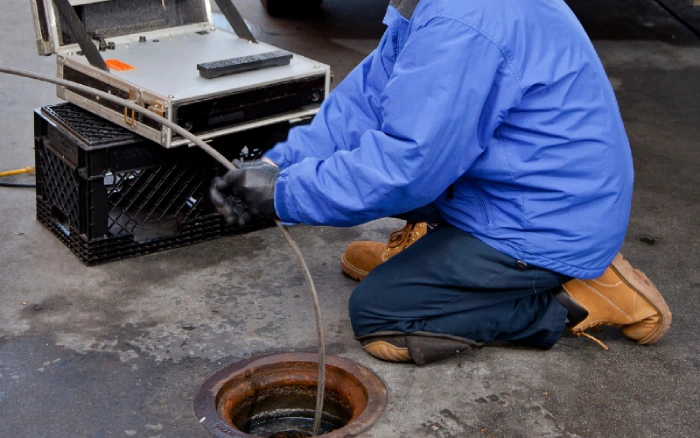
A video camera inspection involves feeding a specialized flexible rod equipped with a high-definition camera through your main sewer cleanout. The plumber views live footage of the pipe interior, pinpointing root growth, cracks, offset joints, and corrosion before a full blockage occurs. Homeowners should schedule an inspection every two to three years.
Utilize Professional Hydro Jetting
For main sewer lines prone to grease accumulation or minor root invasion, hydro jetting offers a highly effective cleaning solution. Plumbers use a high-pressure water hose with specialized nozzles that spray water at intense pressure levels. This scouring action strips grease, descales rust, and breaks up tree roots without damaging sound pipes.
Practice Strategic Landscaping
When planting new trees or large shrubs, map out the path of your underground utilities first. Keep deep-rooting tree species, such as willows, maples, and birches, at least ten to fifteen feet away from the sewer lateral line.
Modern Sewer Line Repair Technologies
If an inspection reveals structural damage, traditional excavation is no longer the only repair option. Modern trenchless plumbing technologies allow technicians to repair underground pipes with minimal disruption to your lawn, driveway, or landscaping.
-
Pipe Lining (Cured-In-Place Pipe): Technicians insert a flexible, resin-saturated liner into the existing damaged pipe. Once positioned, an inflatable bladder expands the liner against the inner pipe walls. The resin cures and hardens, creating a seamless, joint-free pipe within the old structure.
-
Pipe Bursting: A trenchless method where a specialized mole head is pulled through the old sewer pipe. The tool shatters the existing deteriorated pipe outward while simultaneously pulling a new, high-density polyethylene pipe directly into place behind it.
Frequently Asked Questions
Who is financially responsible for repairing the sewer lateral line between the house and the street?
In most municipalities, property owners are fully responsible for the maintenance, repair, and replacement of the entire sewer lateral line from the home all the way to the connection point at the city main. This responsibility typically includes the section of pipe beneath the public sidewalk and street right-of-way, unless local ordinances state otherwise.
Does standard homeowners insurance cover sewer line damage and backups?
Standard homeowners insurance policies usually exclude damage caused by sewer line backups or gradual pipe wear and tear. Coverage for sewage backups typically requires a specific endorsement rider added to your policy. Additionally, service line coverage can often be purchased separately to cover structural repairs to underground utilities on your property.
How frequently should a residential sewer line undergo a routine inspection?
For most homes, a sewer camera inspection every two to three years is sufficient for routine preventative care. However, if your home was built over forty years ago or if your property features large mature trees near the main sewer path, annual inspections are strongly recommended to detect root intrusion early.
Can chemical drain cleaners damage sewer pipes?
Chemical drain cleaners containing harsh caustic chemicals like sodium hydroxide or sulfuric acid can severely damage sewer lines. These chemicals generate intense heat while sitting inside a blocked pipe, which can warp or melt plastic PVC pipes and accelerate corrosion inside aging cast iron or clay systems. Mechanical snaking or hydro jetting are far safer options.
What is the average lifespan of different sewer pipe materials?
Lifespans vary significantly based on the pipe material used during construction. Modern plastic PVC pipes can last over one hundred years with minimal maintenance. Cast iron pipes typically last between fifty and seventy-five years before internal corrosion becomes problematic, while old clay pipes average fifty to sixty years due to joint vulnerability and cracking.
How does hard water or mineral scale impact main sewer line flow?
High mineral content in hard water leaves calcium and magnesium deposits along pipe walls over time. In main sewer lines, this mineral scale creates a rough internal surface that slows down water flow and easily snags toilet paper, lint, and organic waste, gradually leading to stubborn recurring clogs.
What immediate steps should a homeowner take if raw sewage backs up into the house?
If raw sewage enters your home, immediately stop running all water fixtures, appliances, and taps to prevent adding more volume to the blocked line. Shut off the main water supply valve if necessary, keep children and pets away from the contaminated area, wear personal protective equipment, and contact a licensed professional plumber right away.

Comments are closed.