
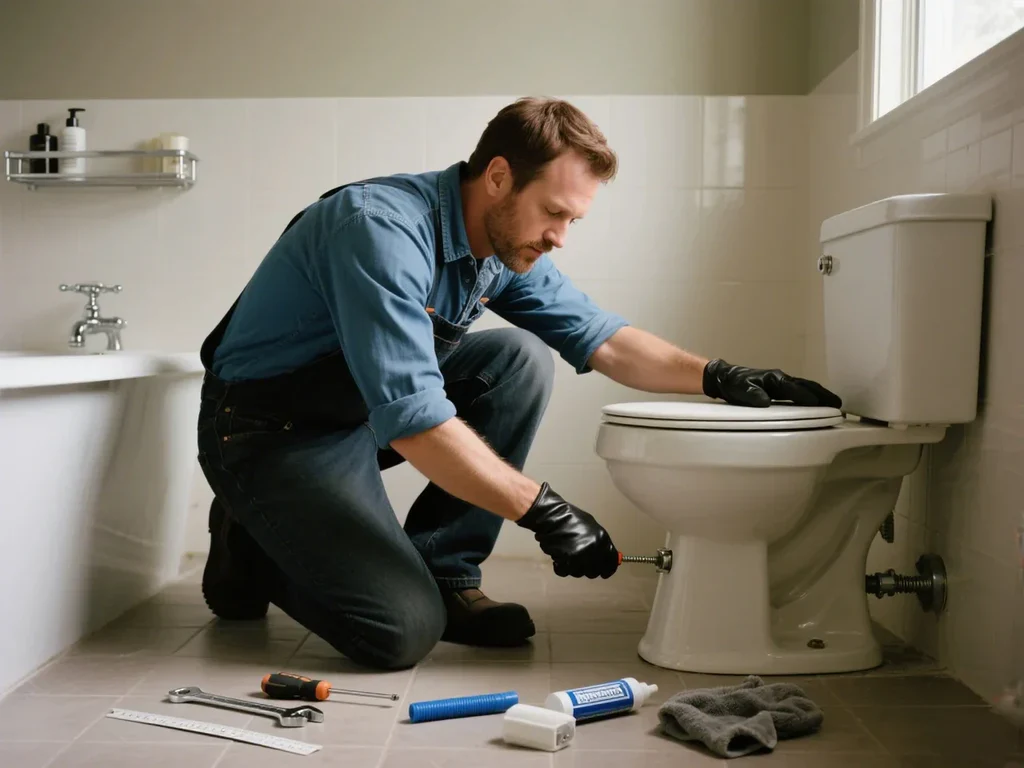

A clogged toilet is one of the most common and inconvenient household emergencies. While calling a professional plumber is always an option, standard toilet blockages can usually be resolved quickly using basic household tools and simple physical principles. Knowing how to handle this situation efficiently saves both time and money while preventing unnecessary water damage to your bathroom floor.
Understanding the mechanics of a toilet and using the correct method for the specific type of clog ensures that you clear the pipe without damaging the porcelain fixture or the underlying plumbing system.
Understanding Why Toilets Clog
Toilets rely on gravity and water pressure to push waste through an S-shaped trapway built into the base of the porcelain fixture. This curved trapway holds standing water to block sewer gases from entering your home, but its tight bends also make it susceptible to obstruction.
The most common causes of toilet blockages include:
-
Excessive Toilet Paper: Flushing large amounts of paper at once can create a dense plug in the trapway that resists standard water pressure.
-
Non-Flushable Items: Products marketed as flushable wipes, paper towels, facial tissues, and feminine hygiene products do not disintegrate rapidly in water. They accumulate in the curves of the pipe and trap smaller particles.
-
Foreign Objects: Small plastic toys, cosmetic caps, or trash accidentally dropped into the bowl can lodge tightly in the trapway.
-
Hard Water Mineral Accumulation: Over time, calcium and magnesium deposits can narrow the interior diameter of the trapway, reducing water flow efficiency and increasing clog frequency.
-
Low-Flow Toilet Limitations: Older generations of low-flow toilets may lack the hydraulic force required to clear heavy waste in a single flush.
Essential Safety and Preparation Measures
Before attempting any unclogging technique, proper preparation is necessary to maintain sanitation and prevent accidental flooding.
Stop the Water Flow
If the water level in the toilet bowl rises rapidly after a flush, immediately remove the tank lid and press down on the rubber flapper valve at the bottom of the tank. This stops clean water from entering the bowl. Next, turn the shut-off valve located on the wall behind the toilet clockwise until it is tight.
Protect the Surrounding Area
Place old towels, rags, or layers of newspaper around the base of the toilet fixture. Water can easily splash over the rim during plunging or augering, leading to unsanitary conditions and potential subfloor moisture damage.
Gear Up Properly
Wear heavy-duty rubber gloves that extend up the forearm. Safety glasses are also recommended to protect against accidental splashes when working with hot water or manual tools.
Method 1: The Dish Soap and Hot Water Technique
For soft blockages caused by excessive toilet paper or organic matter, liquid dish soap combined with hot water acts as an effective lubricant and breakdown agent.
Why This Method Works
Liquid dish detergent reduces friction between the organic obstruction and the smooth porcelain walls of the trapway. Hot water accelerates the breakdown of toilet paper binder materials and softens waste, allowing gravity to carry the obstruction down the drain.
Step-by-Step Instructions
-
Squirt roughly one-half cup of liquid dish soap directly into the standing water in the toilet bowl. Allow the soap to sink down toward the trapway for 5 to 10 minutes.
-
Heat approximately one gallon of tap water on the stove or in a kettle. Bring the water to a hot temperature, but do not allow it to boil. Extreme thermal shock can crack the porcelain bowl.
-
Pour the hot water into the bowl from waist height. The downward force of the water column combined with the heat aids in breaking up the obstruction.
-
Let the mixture sit undisturbed for 15 to 20 minutes.
-
Observe the water level. If the level has dropped, test the flush by turning the shut-off valve back on and conducting a low-volume flush.
Method 2: Mastering the Flanged Plunger
Plunging remains the most reliable mechanical solution for common toilet blockages. However, using the correct tool and proper physical technique determines whether the effort succeeds.
Choosing the Right Plunger
Avoid flat-bottomed cup plungers designed exclusively for shallow sink drains. Toilets require a flange plunger (also known as a toilet plunger), which features an extended rubber sleeve pulling out from inside the main cup. This fold-out sleeve fits securely inside the curved toilet drain to form an airtight seal.
Proper Plunging Technique
-
Ensure there is enough water in the bowl to submerge the head of the plunger completely. If the bowl is empty, manually pour a bucket of water into it.
-
Insert the plunger into the bowl at an angle to allow the interior cup to fill with water rather than air. Air compresses, reducing force, whereas water is non-compressible and transfers pressure directly to the clog.
-
Position the flexible rubber sleeve directly into the drain opening at the bottom of the bowl, ensuring a firm seal around the perimeter.
-
Begin with a gentle downward push to expel any remaining air trapped in the cup without spraying water outside the bowl.
-
Execute 15 to 20 rapid, firm vertical strokes. Focus equal energy on both the push and the pull. The pulling motion pulls the obstruction backward, loosening its grip on the trapway walls before the pushing motion pushes it forward.
-
Break the seal sharply on the final stroke. If successful, the water in the bowl will drain rapidly with a gurgling sound.
Method 3: The Baking Soda and Vinegar Chemical Reaction
When liquid soap is unavailable, a natural chemical reaction using standard pantry staples can break down minor organic clogs without damaging your pipes.
Step-by-Step Instructions
-
If the toilet bowl is filled to the rim with water, scoop out roughly half of the liquid using a disposable cup to make room for the chemical expansion.
-
Pour one cup of baking soda (sodium bicarbonate) directly into the toilet bowl, directing it as close to the drain opening as possible.
-
Slowly pour two cups of distilled white vinegar into the bowl. The reaction creates a rapid fizzing carbon dioxide gas expansion.
-
Allow the solution to react and work on the clog for at least 30 to 60 minutes. For severe blockages, leave the mixture overnight.
-
Pour a bucket of hot tap water into the bowl from waist height to flush away the loosened materials.
Method 4: Utilizing a Closet Auger or Modified Wire Hanger
When plunging fails, the obstruction may be lodged further down in the trapway or composed of solid matter that requires physical disruption.
Using a Closet Auger
A toilet auger (or closet auger) features a flexible steel cable housed inside a protective rigid tube with a rubber elbow that prevents the steel from scratching the visible porcelain bowl.
-
Extend the inner rod of the auger fully so the cable retracts into the housing.
-
Insert the curved rubber end of the auger tube directly into the toilet drain path.
-
Rotate the crank handle clockwise while pushing the handle downward to feed the flexible steel cable through the trapway bends.
-
Continue rotating until you feel resistance, indicating contact with the blockage.
-
Rotate the handle repeatedly to either hook foreign debris or break up dense organic matter.
-
Pull the cable back slowly while continuing to turn the handle to retrieve trapped items.
Emergency Alternative: Wrapped Wire Coat Hanger
If an auger is unavailable, a metal wire coat hanger can serve as a substitute for shallow blockages.
-
Unwind a metal wire hanger and straighten it out as much as possible.
-
Wrap a small rag tightly around one end of the wire and secure it firmly with electrical tape. This prevents the sharp metal tip from scratching the porcelain bowl.
-
Insert the covered end into the drain, pushing and twisting gently to nudge the clog past the trapway curve.
Method 5: Commercial Enzymatic Cleaners
Enzymatic drain cleaners use non-pathogenic bacteria and proteins to digest organic waste, paper fibers, and grease over time.
Unlike harsh caustic drain openers containing sodium hydroxide or sulfuric acid, biological enzymatic cleaners do not generate heat or toxic fumes. They are entirely safe for porcelain fixtures, PVC piping, and residential septic tanks. To use this method, pour the recommended dosage into the toilet bowl and allow it to sit undisturbed for 8 to 12 hours before flushing.
Actions to Avoid During Toilet Unclogging
-
Never Pour Boiling Water: Porcelain is sensitive to rapid thermal expansion. Boiling water can cause structural cracks, resulting in leaks that require total replacement of the toilet fixture.
-
Avoid Chemical Drain Cleaners: Standard chemical drain openers generate intense heat through chemical reactions. This heat can crack porcelain, warp plastic PVC drainpipes, and damage rubber wax ring seals. Furthermore, if the chemical fails to clear the clog, the bowl remains filled with toxic, corrosive liquid, presenting hazards during subsequent manual removal.
-
Do Not Repeatedly Flush an Overflowing Bowl: Once a flush fails to clear and the bowl fills near the rim, additional flushes will cause sewage water to overflow onto the floor.
Frequently Asked Questions
Why does my toilet clog frequently even when I only flush standard toilet paper?
Frequent clogs without obvious misuse typically indicate partial blockages further down the line, calcified mineral deposits inside the internal trapway, or poor venting. A blocked plumbing vent pipe on your roof reduces suction, preventing water from flowing through the trapway at high velocity.
Can a clogged toilet resolve itself if left alone?
A toilet clog composed exclusively of standard toilet paper and organic human waste can dissolve naturally over time as the materials break down in water. However, this process often takes several hours to days and is ineffective against non-flushable wipes, plastics, or heavy paper products.
What should I do if water backs up into the bathtub when flushing the toilet?
When flushing the toilet causes water or waste to rise inside a adjacent shower or bathtub drain, the obstruction is located in the main branch line or main sewer line rather than the individual toilet trapway. This requires clearing the main line via a cleanout access port using a heavy-duty drain snake or calling a licensed plumber.
How do I clear mineral buildup inside the toilet trapway?
To dissolve hard water mineral scale from the internal plumbing passages, pour two to three cups of commercial scale remover or concentrated cleaning vinegar down the overflow tube inside the toilet tank. Allow the acid to dissolve the mineral crust overnight before flushing thoroughly.
Is it safe to use a wet dry shop vacuum to unclog a toilet?
A wet dry shop vacuum can be used to remove standing water and pull out solid foreign items from the trapway. However, you must remove the internal paper filter first to prevent motor damage, and use a dedicated hose end that can be thoroughly sanitized afterward.
How can I determine if a clog is in the toilet trapway or further down the sewer pipe?
If only a single toilet is malfunctioning while all other sinks, showers, and toilets in the home drain normally, the clog is localized within that specific toilet trapway. If multiple fixtures back up simultaneously, the issue resides in the main sewer line.
Will pouring coffee grounds down the toilet help clear a blockage?
No, coffee grounds should never be poured down a toilet or drain. Coffee grounds do not dissolve in water and readily pack together with grease and waste, compounding existing obstructions and creating denser blockages inside the pipe network.

Comments are closed.