
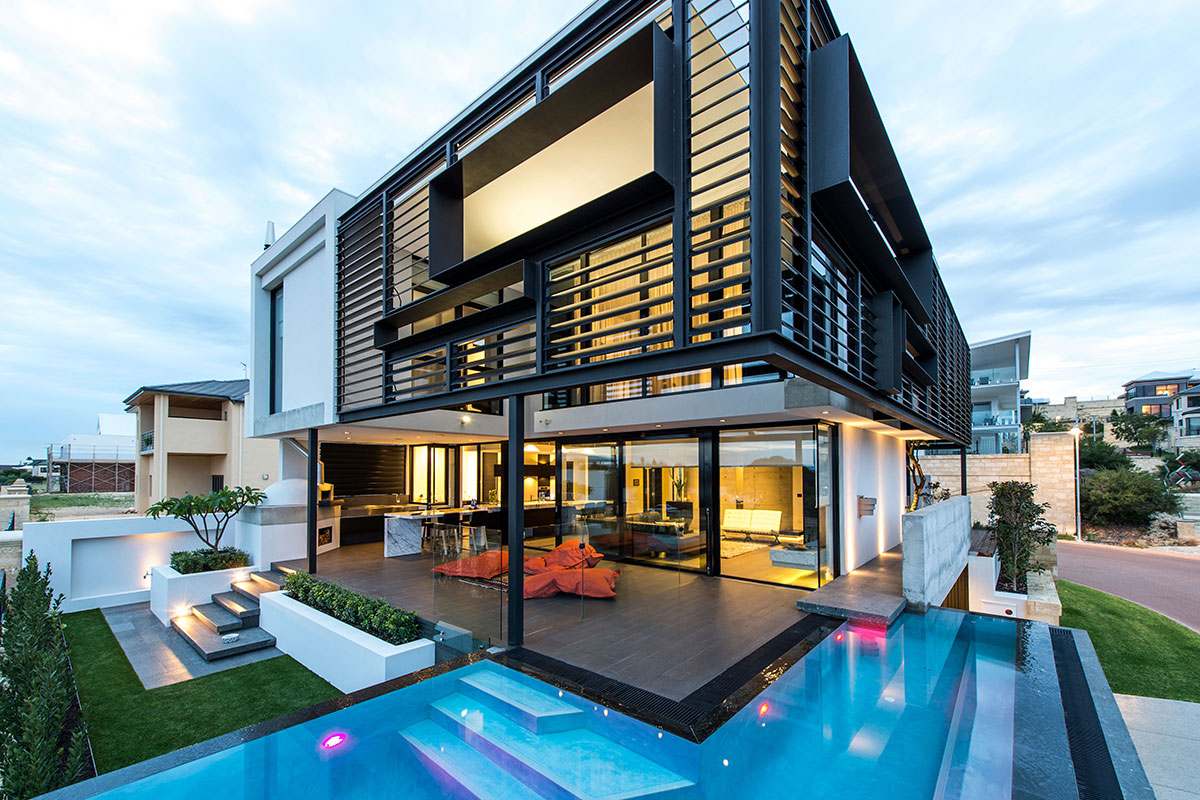

Perth’s prestige property market has grown steadily more sophisticated over the past decade, and buyers at the top end are no longer satisfied with a bigger version of a standard home. They want considered architecture, genuine craftsmanship, and a building partner capable of executing a vision rather than simply constructing to a plan. That shift has made the search for the right luxury home builders in Perth far more nuanced than it used to be, because “luxury” has become one of the most overused words in residential building marketing, applied almost as often to a home with a stone benchtop as to a genuinely architect-calibre build.
If you are planning a high-end build, whether that means a statement residence on a premium block or a considered renovation of an existing prestige property, the builder you choose needs to demonstrate real capability across design, craftsmanship, and project delivery, not just an impressive gallery of finished photographs. This article sets out what actually distinguishes luxury builders in Perth from volume builders offering an upgraded finishes package, and how to evaluate that difference for yourself.
What Genuinely Separates Luxury Building From a Premium Finishes Package
A common misconception is that luxury building is simply about spending more on tapware, stone, and joinery. Finishes matter, certainly, but they are the visible layer sitting on top of decisions that matter far more: structural design that allows for soaring ceiling heights and expansive open spans, considered acoustic separation between living and sleeping zones, climate-responsive orientation that reduces reliance on mechanical heating and cooling, and integration of home automation, security, and entertainment systems from the earliest design stages rather than retrofitted afterwards.
Genuine luxury home builders in Perth work closely with architects and interior designers from concept through documentation, ensuring that ambitious design intent survives contact with structural engineering, council requirements, and buildability. That collaborative process is where the real difference lies. A builder without deep experience at this level will often value-engineer ambitious details out of a project simply because their trades and systems are not set up to execute them.
Evaluating a Luxury Home Builder’s Portfolio Properly
When reviewing a prospective builder’s completed projects, resist the temptation to judge purely on photography. Professional photography flatters almost any home. Instead, look for variety and complexity across the portfolio: different architectural styles, different site challenges, and evidence of genuinely custom detailing rather than a recognisable “house style” repeated with different finishes.
It is worth asking to see projects in person wherever a builder can arrange it, ideally a completed home rather than only a display home. Standing inside a finished luxury build tells you far more than any photograph about the quality of joinery, the precision of tiling and stone junctions, the acoustic feel of a space, and how natural light moves through the home across the day.
A few areas repay close inspection during any site or completed-home visit:
- Junctions between materials — where stone meets timber, where render meets glazing — since these details are where lower-tier builders cut corners
- Consistency of sightlines through open-plan spaces, including door and window head heights
- The quality of cabinetry joinery, drawer and door action, and finish consistency
- How services such as air conditioning, speakers, and lighting have been integrated without visual clutter
The Role of Trade Quality and Supplier Relationships
At the luxury end of the market, the builder’s own team matters less than the calibre of the trades and suppliers they consistently work with. Established luxury home builders in Perth typically maintain long relationships with specialist trades — stonemasons, joiners, glaziers, and finishing carpenters — who understand the standard expected and have proven their work over many projects. This consistency is difficult to replicate on a one-off basis, which is one reason a builder’s track record and longevity in the prestige segment genuinely matters.
Ask prospective builders directly about their trade relationships: how long they have worked with key subcontractors, and how they manage quality control on-site throughout construction, not just at final handover. A builder who can speak specifically about their site supervision process, including how often a senior supervisor inspects work in progress, is signalling a level of oversight that matters enormously once you are several months into a complex build.
Understanding Design Flexibility and Collaboration
A defining feature of genuine luxury building is the willingness to collaborate with your own architect or designer, rather than insisting on an in-house design-and-build package exclusively. If you already have a design relationship you value, ask any prospective builder how they typically work alongside external architects and interior designers, and request examples of projects delivered that way. If you are starting from scratch, ask whether their in-house design team includes architects with genuine portfolio depth, or whether design is handled by drafting staff working from a template.
For those exploring luxury builders capable of executing an ambitious, architect-led brief, this collaborative capability is one of the clearest indicators of whether a company operates at a genuinely prestige level or is positioning a standard offering with luxury language.
Budgeting Realistically for a High-End Build
Luxury builds carry cost complexity that goes well beyond a simple per-square-metre rate, and any builder unwilling to walk you through a genuinely detailed, itemised quote early in the process should be treated with caution. Structural steel, expansive glazing, imported stone, integrated automation, and landscape architecture can each add significant cost, and a reputable builder will help you understand these trade-offs early rather than allowing scope creep to surface as unwelcome variations later.
It is also worth discussing how a builder handles the inevitable design refinements that occur during a long, ambitious build. Luxury projects often evolve as clients see spaces come together and want to adjust a detail, and a transparent variation process, clearly costed and clearly communicated, protects both parties from disputes later in the project.
The Value of Site Visits During Construction
Beyond an initial display home tour, many luxury builders will allow prospective and current clients to visit an active construction site at key stages, and this is worth taking advantage of wherever possible. Seeing a build mid-frame, or during the fix-out stage when stonework, cabinetry, and glazing are being installed, tells you far more about a builder’s site discipline and attention to detail than a finished, styled photograph ever could. Pay attention to how clean and organised a site is, how carefully materials are being handled and stored, and how tradespeople on-site talk about the project when asked.
A builder confident in their process will welcome this kind of scrutiny rather than discouraging it, and will often proactively invite clients to see progress at agreed milestones throughout the build. This transparency during construction is frequently a better predictor of the finished result than any single display home, since it shows you exactly how the promises made during the sales process translate into what actually happens on-site week to week.
Longevity, Reputation and Local Market Knowledge
Perth’s prestige building market is relatively small and reputationally driven, which means a builder’s standing among architects, designers, and past clients is a meaningful signal. Builders with decades of history in the local luxury segment tend to have weathered market cycles, refined their processes, and built the kind of trade relationships described above. That history is genuinely difficult to fabricate, which is why long-established luxury builders are the ones clients return to for subsequent projects, or refer to friends and family, are generally a safer choice than a newer entrant regardless of how polished their marketing appears.
Local knowledge also matters practically. A builder experienced in Perth’s premium suburbs will understand council heritage and design overlays, coastal or hillside site conditions, and the particular expectations of prestige buyers in specific pockets of the city, all of which can materially affect design outcomes and timelines.
Interior Design Integration and the Details That Elevate a Build
At the luxury end of the market, the line between building and interior design blurs considerably, and the best results tend to come from builders who genuinely integrate the two rather than treating interior finishes as a separate, later decision. Lighting design is a good example: where downlights, feature pendants, and architectural lighting are positioned has a significant impact on how a space feels, and this needs to be resolved during structural design and electrical rough-in, not selected from a catalogue after walls are already up.
Similarly, joinery detailing, whether that is a butler’s pantry concealed behind a run of cabinetry, integrated wine storage, or a home office built into an otherwise open living zone, works best when considered as part of the architectural plan rather than bolted on afterwards. Ask prospective builders how early interior designers, whether in-house or external, are brought into the process, and whether structural and electrical documentation reflects interior design decisions before construction begins. Builders who leave these conversations until late in the build often end up compromising on details that would have been straightforward to achieve with earlier planning.
What After-Build Support Looks Like at the Luxury End
Handover should not mark the end of a builder’s involvement, particularly for a complex, high-specification home where integrated systems, natural stone, and custom joinery all require some degree of ongoing care and occasional adjustment. Ask how a builder manages the defects liability period specifically for luxury builds, including how they handle more specialised trades such as stonemasons or automation technicians if an issue arises after move-in.
It is also worth asking whether a builder provides documentation for the home’s systems, finishes, and maintenance requirements at handover, something as simple as care instructions for natural stone benchtops or a schedule for servicing integrated home automation can make a meaningful difference to how well a luxury home ages over the following years. Builders confident in the quality of their work tend to be generous with this kind of documentation and follow-up support, since they have little reason to avoid scrutiny after the keys change hands.
Final Thoughts
Selecting the right luxury home builders in Perth is ultimately about looking past marketing language to the substance underneath: genuine design collaboration, demonstrable trade quality, transparent budgeting, and a track record that holds up under scrutiny. Visit completed homes rather than relying on photography alone, ask detailed questions about process and trade relationships, and give real weight to a builder’s history in the prestige segment specifically.
A high-end build is a significant investment of both money and time, and the difference between an average result and an exceptional one usually comes down to the depth of experience and care the builder brings to every decision, visible and invisible alike. Taking the time to evaluate that properly before signing a contract is, without question, worth the effort.
