
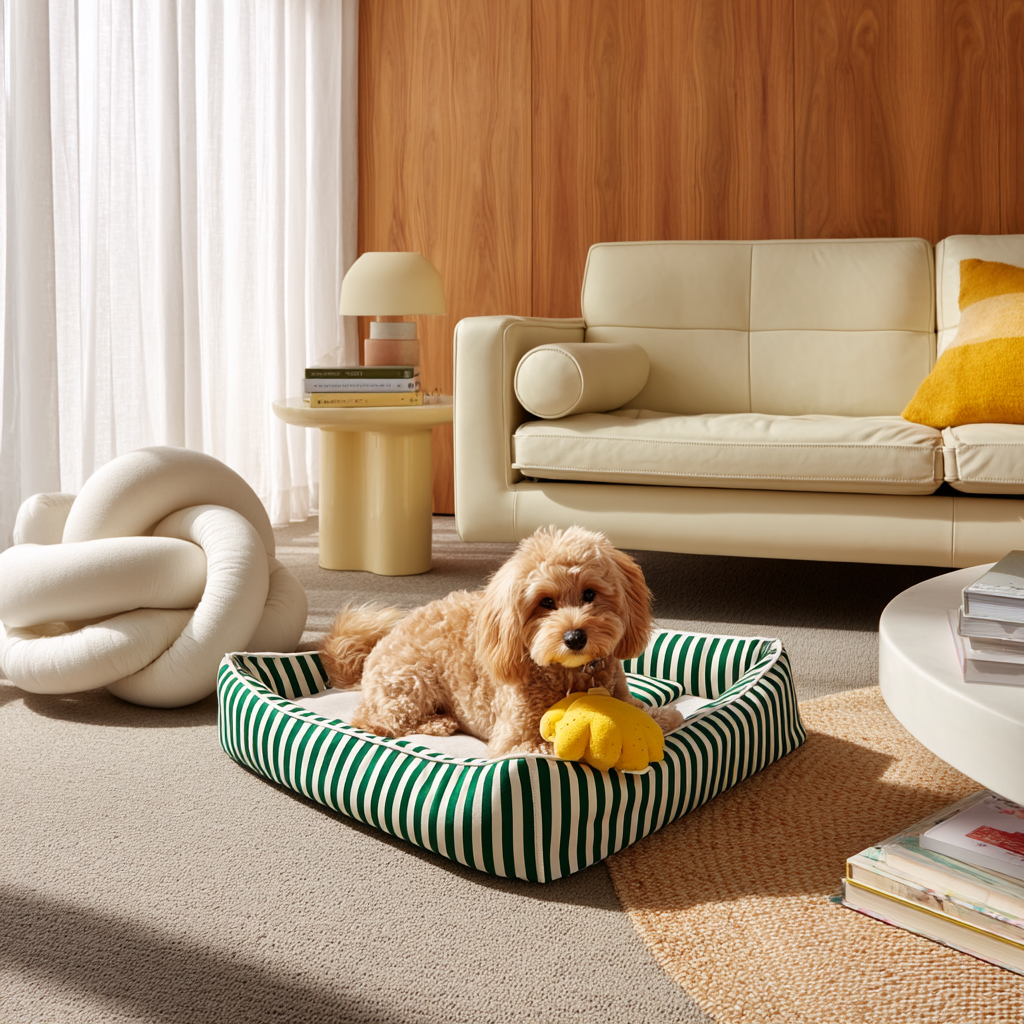

Living with pets brings endless joy, warmth, and companionship into a home. However, it also introduces unique challenges to your interior design and home furnishings. From sharp claws and shedding fur to muddy paws and the occasional accident, furniture takes the brunt of everyday pet activity. Many pet parents find themselves replacing couches, chairs, and rugs far sooner than expected simply because they selected pieces that were not built to withstand four-legged family members.
Choosing durable furniture does not mean sacrificing aesthetic appeal or comfort. By understanding materials, structural elements, and maintenance strategies, you can curate a stylish living space that remains resilient against scratches, stains, and odor. This ultimate guide breaks down everything you need to know about purchasing long-lasting, pet-friendly furniture for every room in your house.
Understanding Pet-Friendly Fabrics and Upholstery
The fabric covering your seating is the single most critical factor determining how well your furniture survives pets. Woven fabrics with loose loops or delicate delicate threads invite cat claws to snag and dog nails to tear. When evaluating upholstery, focus on density, weave, and cleanability.
Performance Fabrics
Performance fabrics are engineered specifically to resist stains, moisture, and wear. Originally developed for outdoor environments or high-traffic commercial spaces, these textiles are now standard options for residential living rooms.
-
Microfiber and Microsuede: Microfiber is composed of ultra-fine synthetic fibers packed tightly together. Because there are no open loops in the weave, cat claws cannot sink in to pull threads. Additionally, liquid spills tend to bead up on the surface rather than soaking in immediately, making cleanup straightforward.
-
Crypton: Crypton is an engineered fabric known for its integrated moisture barrier. Liquids, odors, and bacteria cannot penetrate into the cushion foam beneath, making it an exceptional choice for homes with young pets or aging animals prone to accidents.
-
Sunbrella and Solution-Dyed Acrylics: Designed for UV resistance and durability, outdoor acrylic fabrics perform remarkably well indoors. They can be cleaned with mild bleach solutions without losing color, which is a major advantage when tackling deep stains.
Genuine Leather
Genuine leather remains one of the top choices for dog owners. It does not trap pet hair, dander, or odors, and a simple wipe down with a damp cloth removes dirt and dust. Heavy-grade top-grain leather develops a rich patina over time, which often disguises minor surface scuffs. However, cat owners should exercise caution, as sharp feline claws can puncture or permanently scratch leather surfaces.
Fabrics to Avoid
Certain upholstery materials should be strictly avoided in homes with active pets:
-
Silk and Velvet: Silk is delicate and easily ruined by water or friction. Standard velvet acts as a magnet for pet fur, though tight-weave synthetic performance velvet can sometimes perform adequately.
-
Linen and Tweed: Linen lacks elasticity and stains easily. Tweed features open loops that attract claws, leading to loose threads and frayed seams within weeks.
-
Bonded or Faux Leather: Unlike genuine leather, cheap synthetic bonded leather peels and flakes quickly under the friction of paws and claws, leading to unfixable cosmetic damage.
Evaluating Frame and Cushion Construction
What sits underneath the fabric matters just as much as the outer material. Cheaply constructed furniture will sag, frame joints will loosen, and cushion cores will break down quickly under the weight of jumping dogs.
Solid Wood and Metal Framing
Look for frames constructed from kiln-dried hardwood, such as oak, maple, or ash. Kiln drying removes moisture from the timber, preventing warping or cracking over time. Corner blocks that are glued and screwed into place offer the best structural stability. Metal frames, often found in industrial or modern designs, provide superior strength and are immune to chewing.
Avoid frames made from particleboard, soft pine, or thin plywood, as these materials yield easily under repetitive force or sudden impacts from larger dogs leaping onto the cushions.
High-Density Foam Cores
Cushion cores receive heavy compression when pets jump on and off. Standard low-density foam degrades quickly, leaving permanent dips and saggy seat tops. Select cushion cores rated at a minimum foam density of 1.8 pounds per cubic foot, preferably wrapped in down-proof ticking or Dacron batting. High-resilience foam snaps back into place immediately, ensuring your seating retains its shape over years of heavy use.
Smart Design Features for Pet Parents
Selecting the right materials is only half the battle. Incorporating specific design features into your furniture choices makes daily life significantly easier.
Removable and Washable Covers
Modular sofas and sectionals equipped with zippered, machine-washable slipcovers are an immense asset. Being able to remove a cushion cover and run it through a gentle laundry cycle eliminates lingering odors and deep-set dirt without requiring expensive professional upholstery cleaning services.
Exposed Legs vs. Skirted Furniture
Furniture with exposed legs made of solid metal or dense wood allows room underneath for easy vacuuming and robot vacuum access. Dust bunnies and shed hair accumulate rapidly beneath sofas; high legs prevent fur traps. Skirted furniture, on the other hand, collects fur along the hemline and offers an appealing target for cats looking to scratch fabric corners.
Color and Pattern Matching
A simple yet effective strategy is selecting upholstery colors that align with your pet coat color. If you have a golden retriever, a cream or warm beige fabric will render shed hair virtually invisible between vacuuming sessions. Charcoal, slate grey, or heathered multi-tone fabrics are exceptional at hiding minor smudges and mixed-color fur.
Pet-Durable Wood and Accent Furniture
Upholstered items are not the only furniture pieces at risk. Coffee tables, dining sets, end tables, and media consoles face scratches from paws, wet noses, and potential chewing from teething puppies.
Solid Hardwood vs. Veneers
When shopping for wooden furniture, choose solid wood over thin wood veneers. Oak, walnut, and teak possess dense grain structures that resist dents and gouges. If a solid wood table does incur a scratch, it can be sanded down, repaired, and refinished. Thin wood veneers layered over particleboard will peel or chip if moisture severs the glue layer, and they cannot be sanded without destroying the top layer.
Metal, Stone, and Glass
Incorporate non-porous, hard surfaces into your living areas:
-
Distressed Metal: Metal table legs and frames withstand chewing attempts entirely and are simple to wipe clean.
-
Sintered Stone and Quartz: Stone tabletop surfaces resist liquid rings, scratches, and stains from dropped food or pet bowls.
-
Tempered Glass: Glass tops are easy to clean, though they do show nose prints and paw marks quickly.
Essential Maintenance and Protection Strategies
Even the most durable furniture benefits from proactive maintenance routines. Extending the lifespan of your pet-friendly furniture requires simple habits combined with proper cleaning techniques.
-
Regular Vacuuming: Use a vacuum fitted with a rubberized pet hair attachment twice a week. Leaving fur on woven surfaces allows fine grit to work its way into the fibers, acting like sandpaper and degrading fabric strands over time.
-
Immediate Spot Cleaning: Treat spills immediately using an enzyme-based cleaner formulated to break down organic compounds without bleaching the fabric.
-
Trimming Nails: Keep your pets nails trimmed and smooth. Sharp, overgrown nails exert immense PSI pressure on wood floors and upholstery weaves during sudden turns or landings.
-
Designated Pet Blankets: Place washable, high-quality throw blankets over your pets favorite spots on the couch to catch the majority of shedding fur and natural coat oils.
Frequently Asked Questions
Which upholstery fabric best resists cat scratching?
Tight-weave synthetic microfiber is widely considered the best fabric for homes with cats. Because the weave structure lacks open loops, cats cannot insert their claws to stretch or pull threads. Synthetic velvet also works well because it lacks a standard woven grid structure.
Is real leather a good idea if I have large dogs?
Yes, high-grade top-grain real leather is excellent for large dogs. It is thick enough to resist punctures, easy to wipe down after muddy walks, and does not hold onto dog odors or loose fur. Minor surface scratches often blend naturally into the leathers aged patina.
How do I remove pet odors that have soaked into couch cushions?
To treat deep odors, remove the cushion covers if possible and wash them according to manufacturer instructions. Sprinkle a generous layer of baking soda directly over the inner foam cores, let it sit for several hours to absorb moisture and smell, and then vacuum thoroughly using an upholstery attachment. Using an enzymatic spray safe for foam can also neutralize deep organic odors.
What wood finishes hold up best against dog claws?
Hardwoods finished with polyurethane or conversion varnish offer strong protection against claws. Distressed, reclaimed wood finishes are particularly practical because minor new scratches or dings blend seamlessly into the existing rustic texture without ruining the appearance.
Can I treat standard sofa fabric to make it pet proof?
Applying an aftermarket fabric protector spray can add water and stain resistance to standard upholstery. However, these treatments do not change the structural weave of the fabric, meaning they will not prevent claws from pulling threads on loosely woven materials like linen or tweed.
What should I look for in pet-friendly outdoor furniture?
Look for powder-coated aluminum frames, solid teak, or high-density polyethylene synthetic wicker paired with solution-dyed acrylic cushions. These materials withstand weather, damp paws, and frequent washing without rusting, rotting, or fading.
How do I prevent my dog from chewing on wooden table legs?
Provide appropriate chew toys to redirect their natural instinct, and apply a pet-safe bitter anti-chew spray directly to the wooden legs. Choosing furniture with metal legs or elevated bases can also remove the temptation entirely.

Comments are closed.